About this site
dover-dunkirk.com is an independent guide to one ferry route, Dover to Dunkirk, in five languages. We are not DFDS and we do not sell tickets ourselves. We describe the route as you experience it, from the A20 to the A16, and keep the facts current from the operator’s and the ports’ own sources.
Why this site exists
Dunkirk is the second ferry port from Dover, 40 km closer to Belgium and the Netherlands than Calais, with one operator and up to 11 sailings a day. This site collects the practical information for that route: today’s sailings, what the crossing costs, how check-in and the French border work, what is on board, and when Calais or the tunnel is the better choice.
We made the crossing
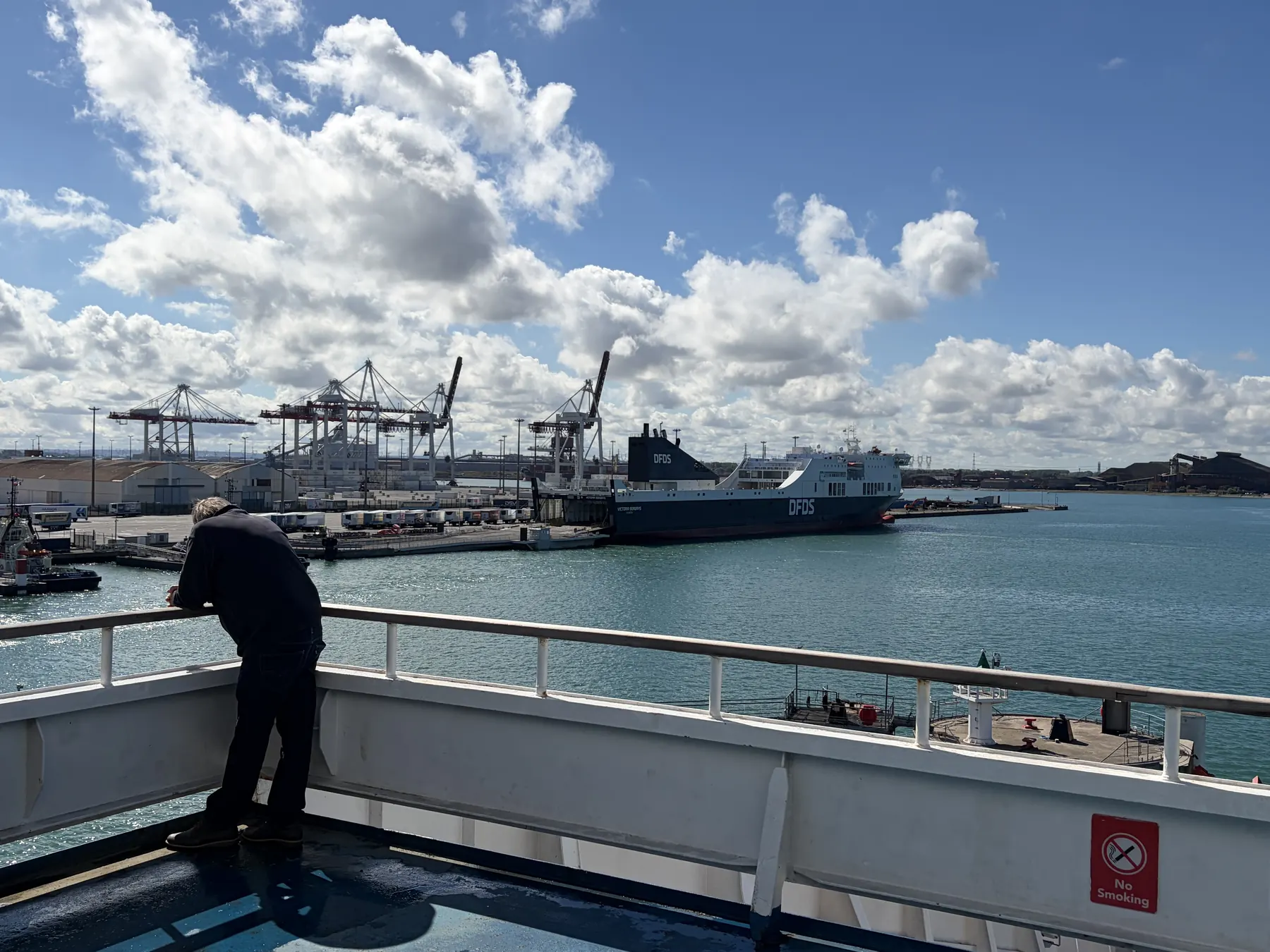
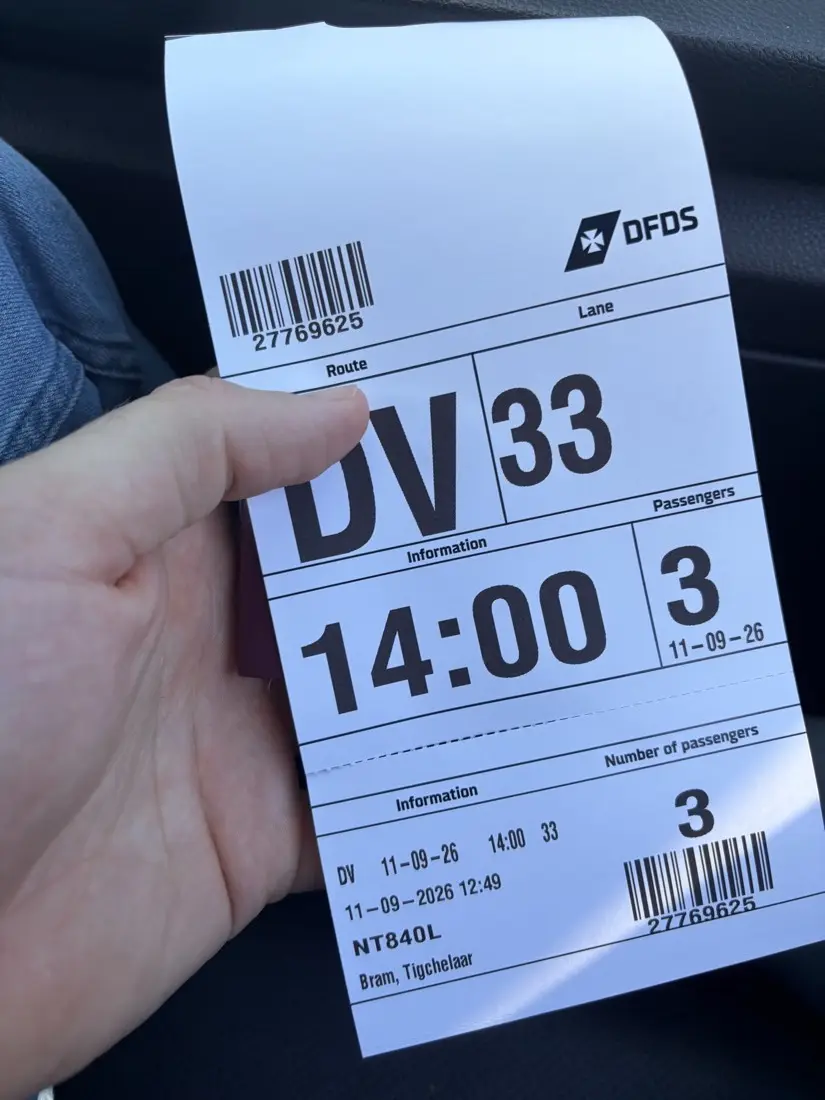
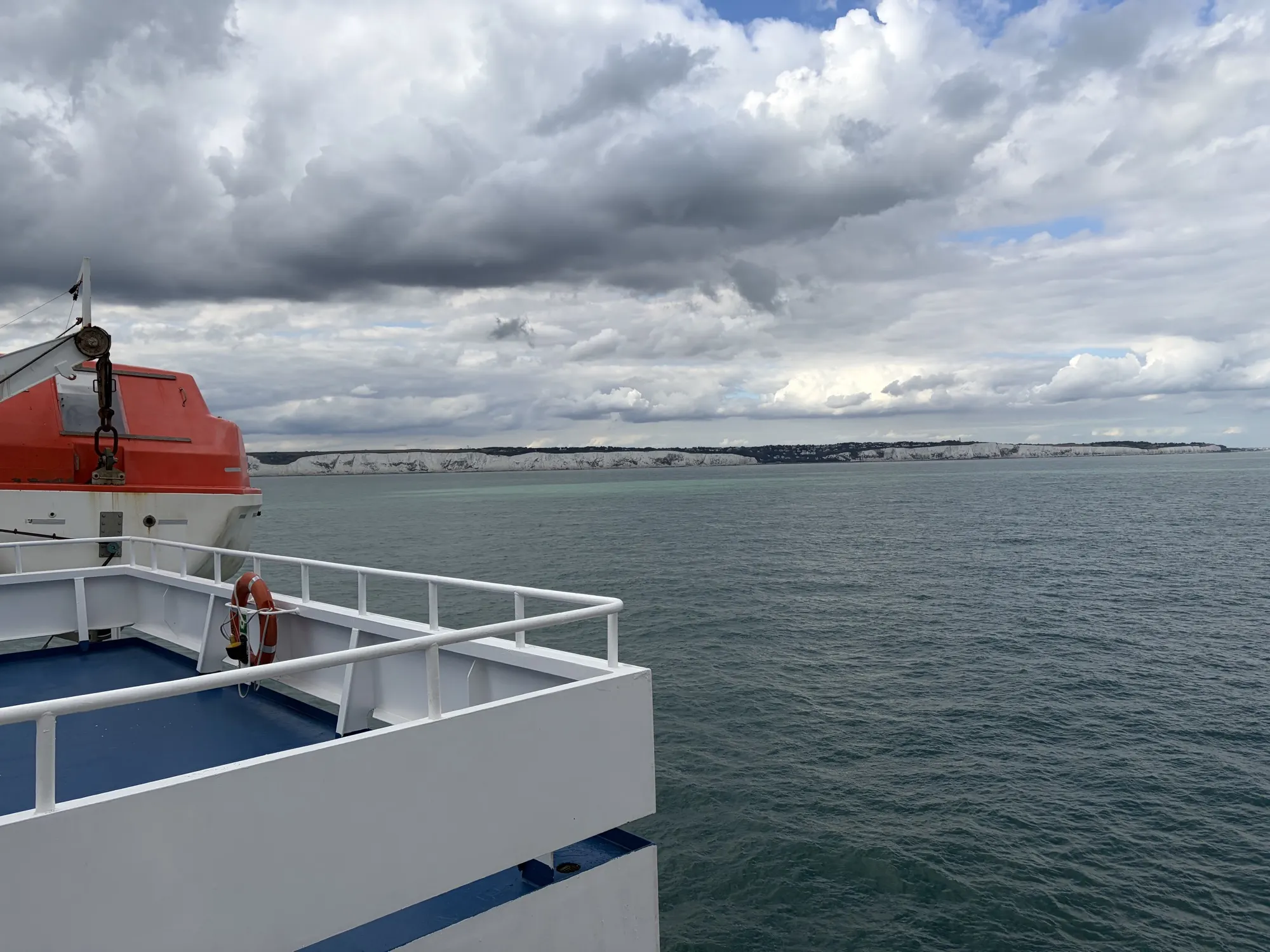
The photographs on this site were taken on our own crossing with the Delft Seaways. The step-by-step pages follow that trip: the signs on the A16, the booths, the mirror hanger, the ramp, the deck, the arrival between the harbour arms at Dover. Number plates have been blurred.
How the information is checked
- Sailings come live from the operator. The departure board and the week view pull the timetable from the booking system of our partner DirectFerries, which uses DFDS’s data. What you see is the current schedule.
- Prices carry a date. The £99 lowest fare is DFDS’s published fare at the time of checking; the prices page says when that was. What you pay depends on date, sailing and vehicle.
- Rules come from DFDS, the ports and the governments. Check-in deadlines, vehicle dimensions, pet rules and documents are taken from DFDS, the Port of Dover, gov.uk and the French authorities, and the source is named on the page.
- Every page carries a date. When something changes, we change the page and the date with it.
Five language editions
The English edition is written from Dover to Dunkirk, with the drive from London and the Midlands and the rules for a British car in France. The Dutch, German, French and Polish editions are written from Dunkirk to Dover, each with its own approach routes and comparisons. The facts about the ships, the ports and the rules are the same in all five.
Independence
The site is paid for by commission on bookings made through the partner links to DirectFerries and Stay22. The commission is paid by the partner and does not change the price you pay. Details are on the disclaimer page.
Who publishes it
dover-dunkirk.com is published by FerryGoGo B.V. in Zeist, the Netherlands, which runs a network of ferry route guides including calais-dover.com, chunnel.co.uk and ferryweather.com. Company details are on the contact page. Corrections are welcome, especially from travellers who have just made the crossing.