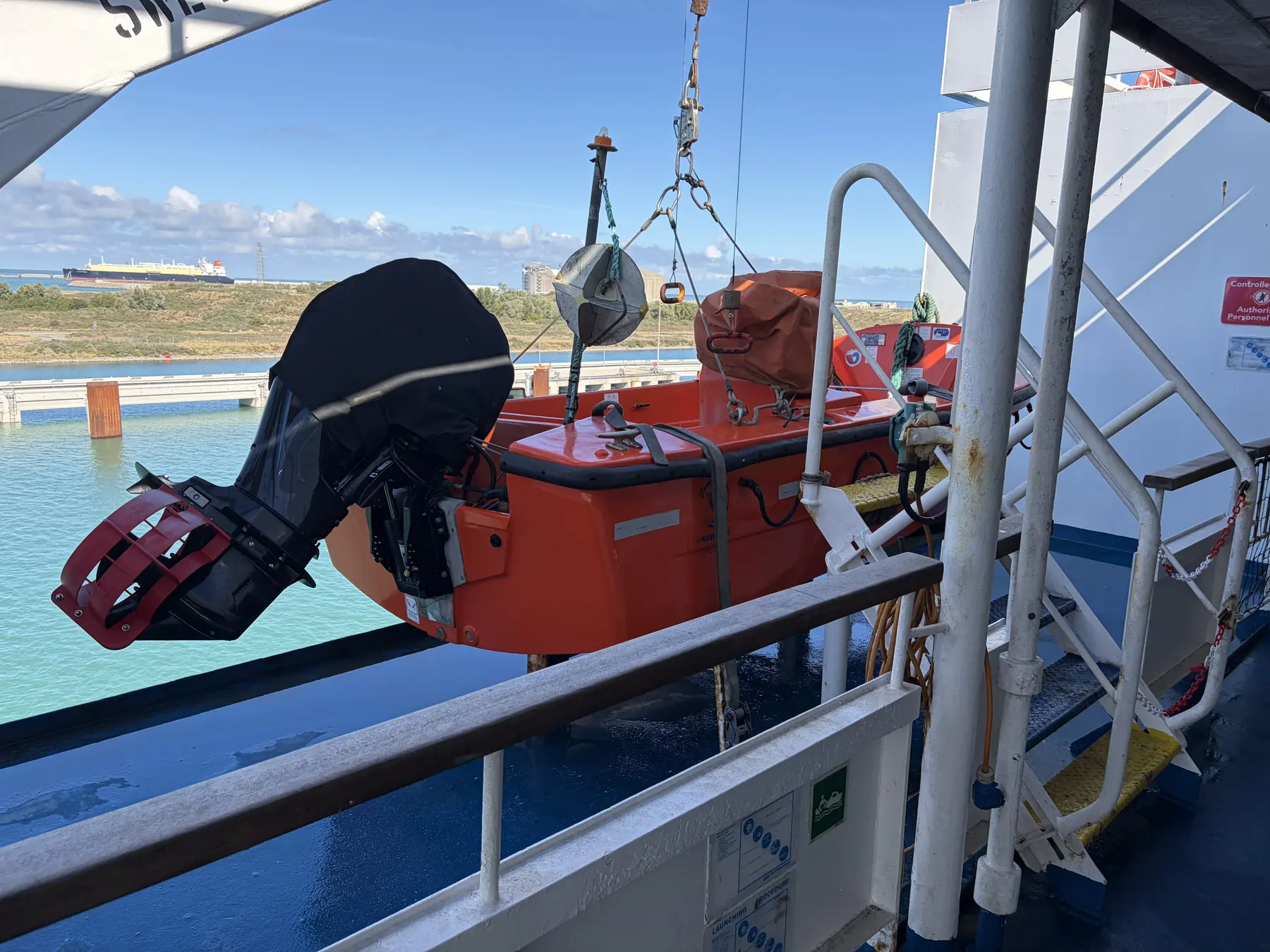
On board the Dover to Dunkirk ferry
2 hours at sea on the Delft, Dunkerque or Dover Seaways, three sister ships with the same layout: restaurant, café, shop, play area, lounges and an open deck. Pets stay in the vehicle on this route. Below: the facilities, what they cost and the timing of the crossing.
The three ships
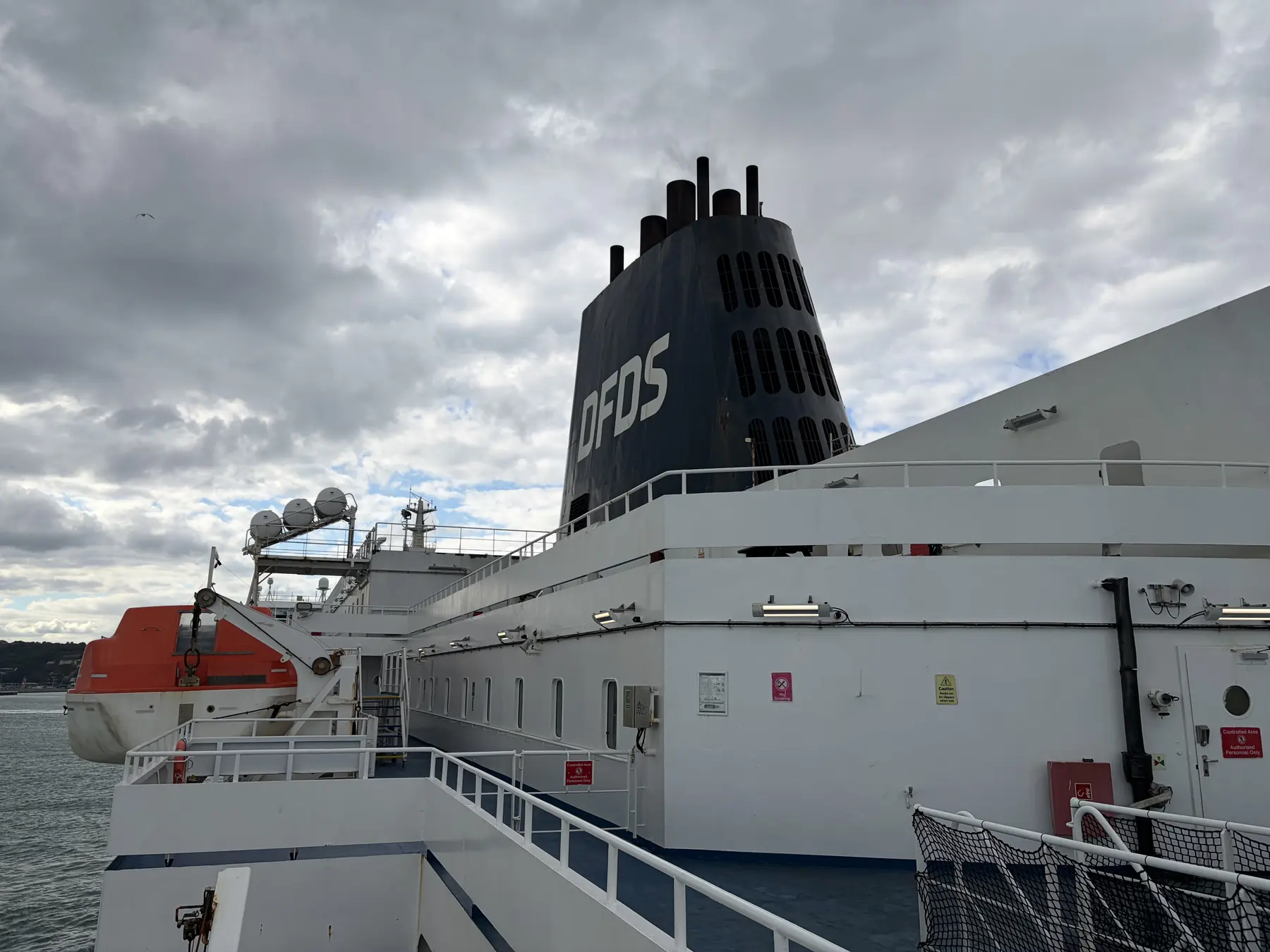
DFDS runs the route with the Delft Seaways, the Dunkerque Seaways and the Dover Seaways, built in 2005 and 2006 and refitted since. Each carries around 1,000 passengers and 250 cars. Which ship you get is not shown when you book, and the layout is the same: car decks below, two passenger decks above, an open deck aft and around the funnel.
What you find on board
| Facility | What to expect |
|---|---|
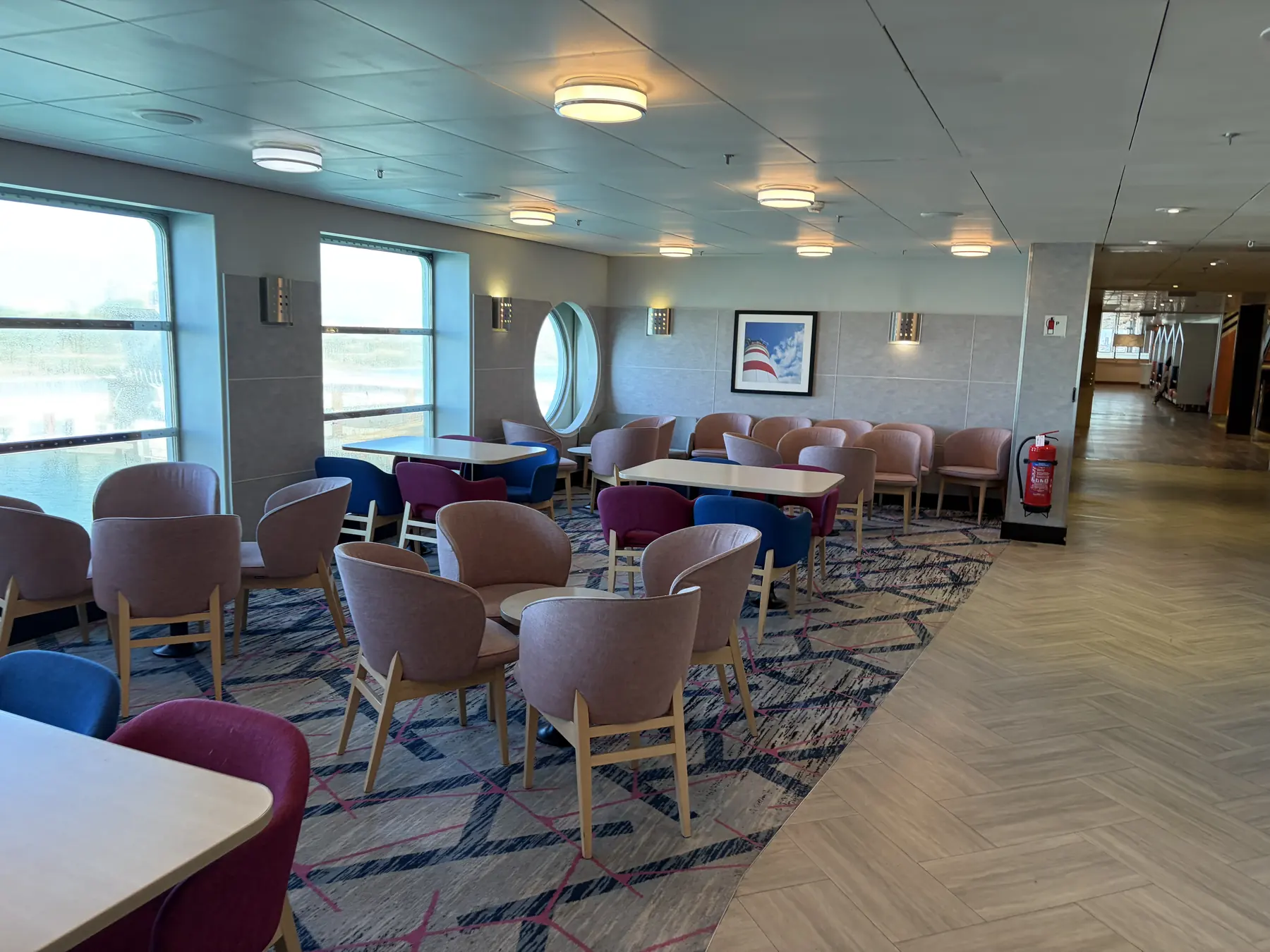
| Restaurant and café | Self-service restaurant with hot meals, breakfast on the morning sailings, and a café with coffee, sandwiches and cakes. A hot meal is around £12 to £15. |
| Shop | Perfume, spirits, wine, tobacco, sweets and travel accessories. Duty free for travellers between the UK and the EU, within the customs allowances. |
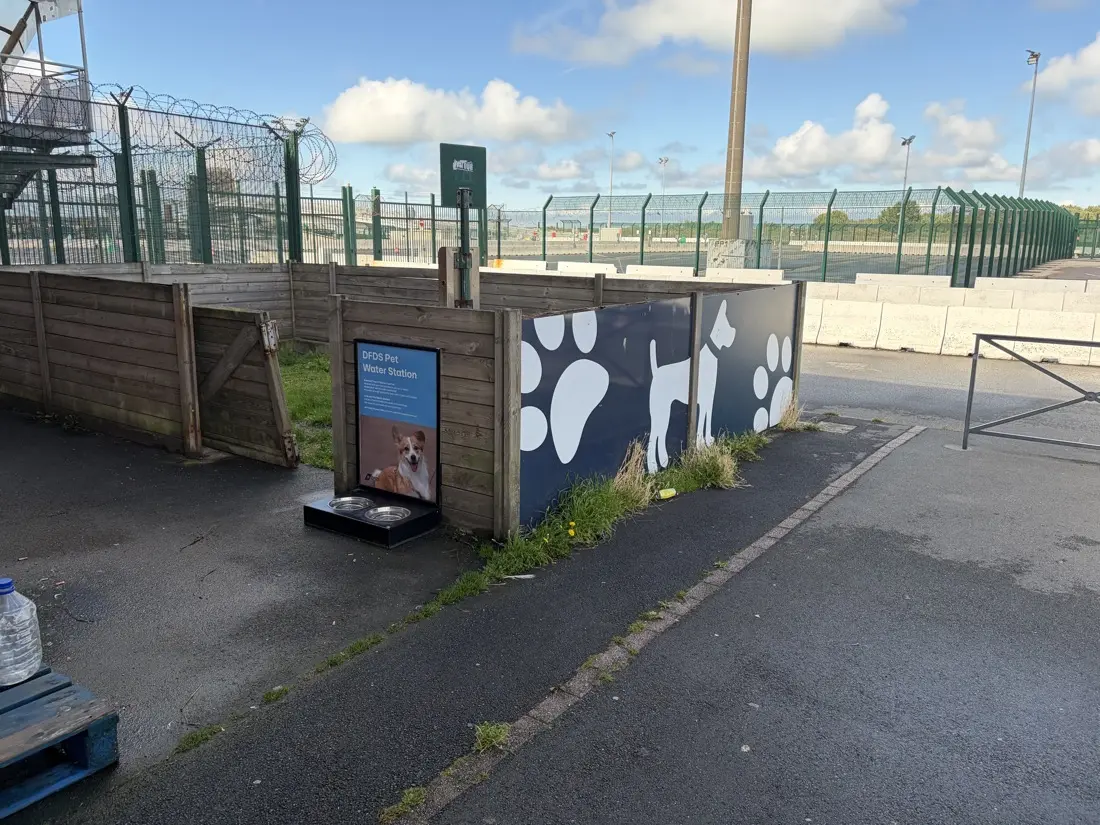
| Children | Soft play area for small children and an arcade with machines. Family seating by the restaurant. |
| Open deck | Aft and around the funnel, open for the whole crossing except in a storm. Bring a windproof layer. |
| Lounges | A quiet lounge with window seats, free. A Premium Lounge with drinks and snacks can be added when booking, subject to space. |
| Wifi | Free, but slow mid-Channel. Download what you want to watch beforehand. |
| Toilets, baby change | On both passenger decks. Accessible toilet by the lift. |
| Paying | Pounds and euros, cash and card. Prices are in pounds; pay in euros and DFDS converts at its own rate. |
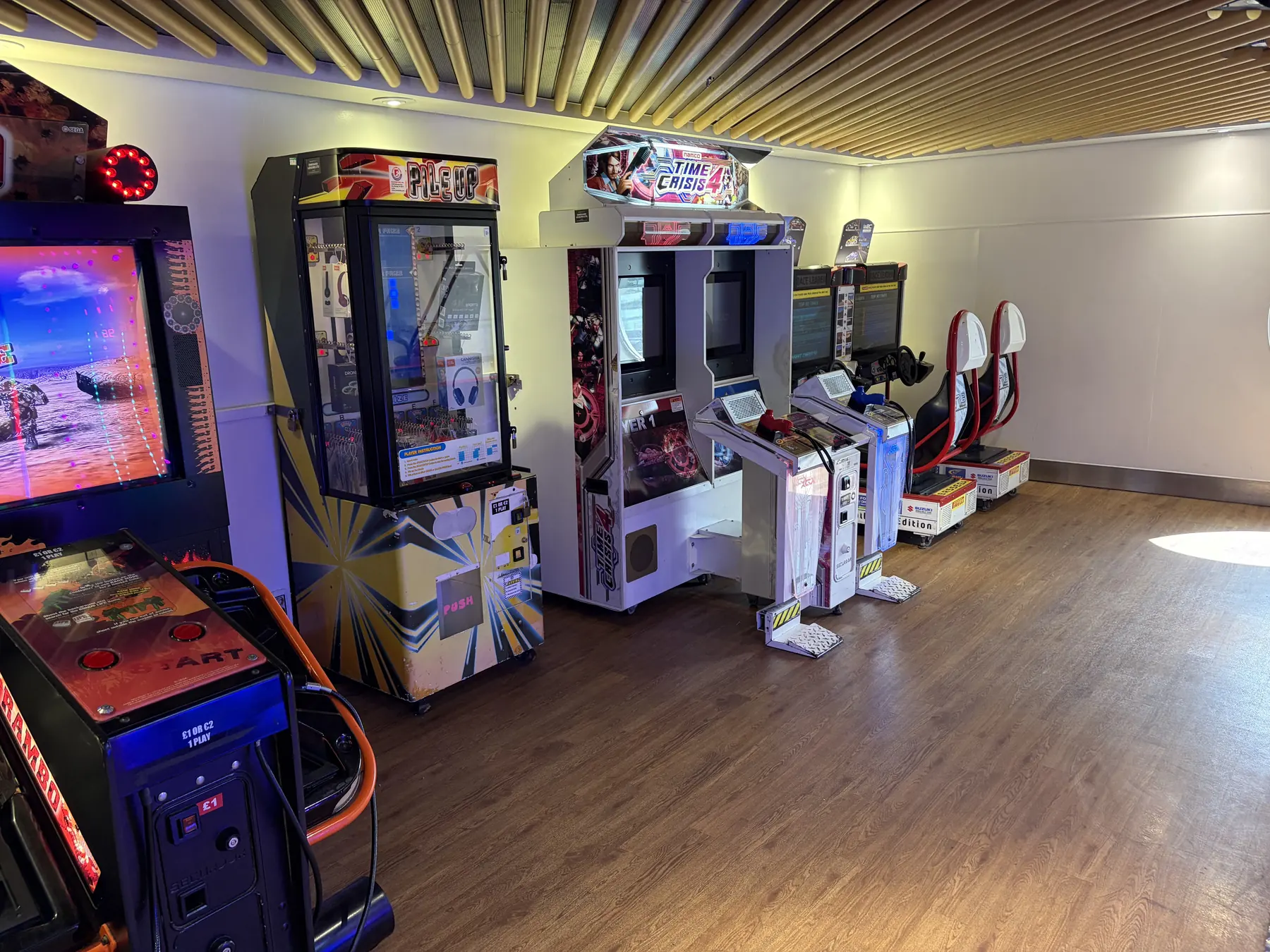
Pets: they stay in the car
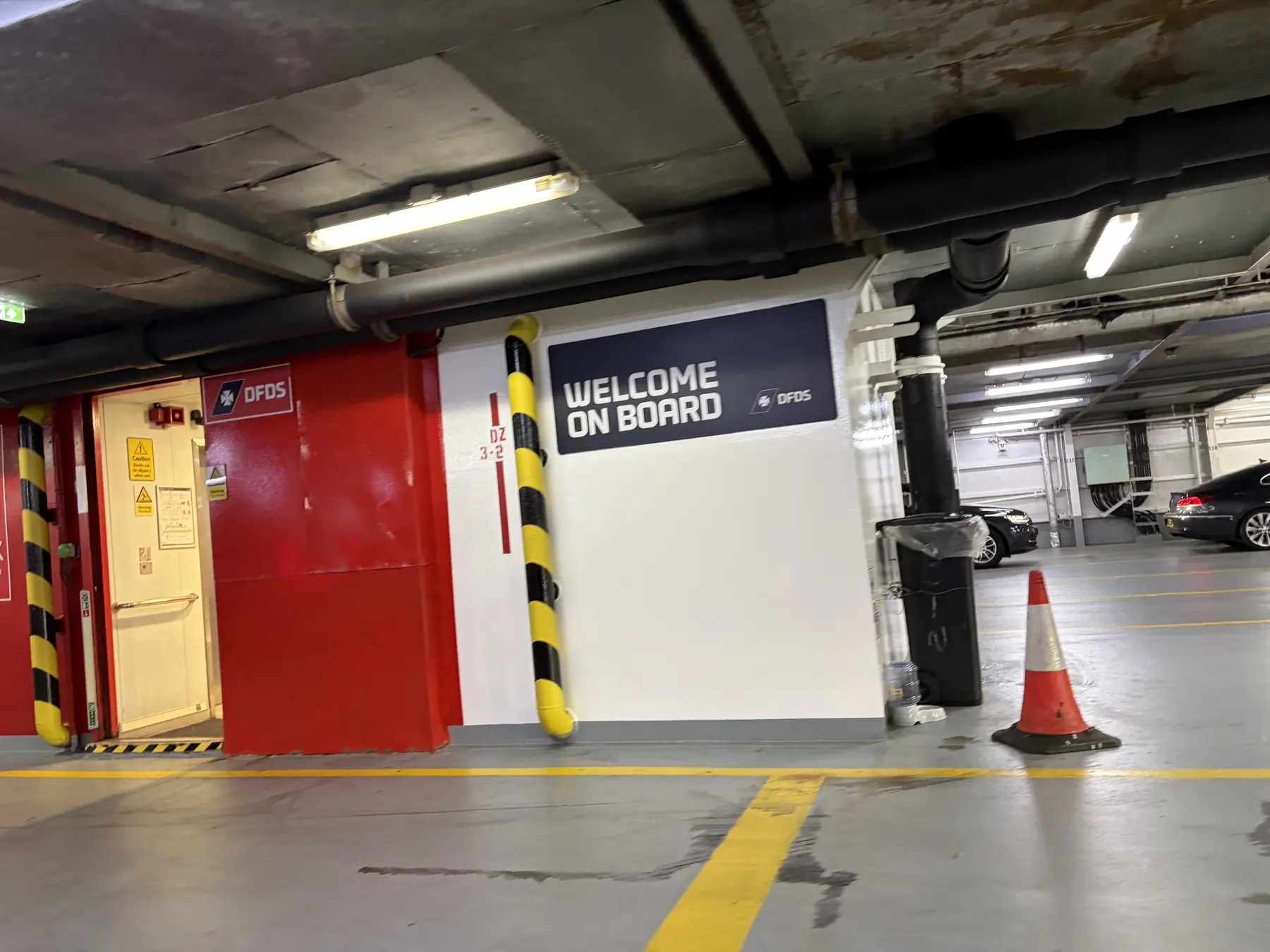
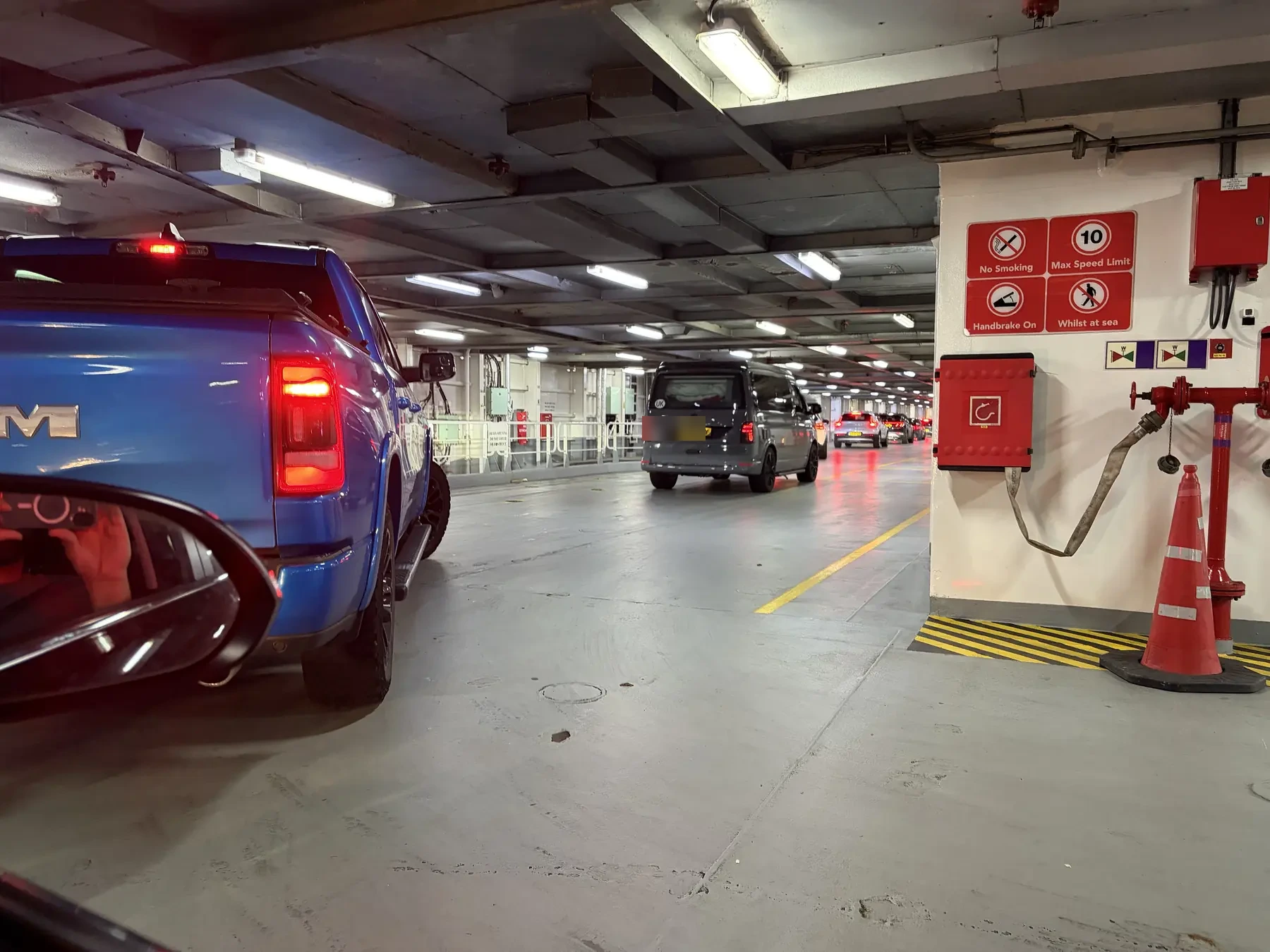
On Dover to Dunkirk dogs and cats stay in the vehicle for the crossing. The car deck closes after departure and you cannot go down during the crossing; DFDS crew patrol the deck and there is CCTV. So open the windows a crack beforehand, leave water, and walk the dog at the port before check-in; both ports have a dog exercise area; at Dunkirk it is next to the terminal building. For a dog that copes badly alone, the tunnel is the alternative: 35 minutes and you stay in the car. See all routes side by side and the tunnel guide on chunnel.co.uk.
How to fill the two hours
- Upstairs and find a seatThe stairs and the restaurant are busiest in the first 15 minutes after departure.
- Eat after the first rushThe restaurant is busiest straight after departure and on sailings around mealtimes.
- Clocks and phonesFrance is an hour ahead. Your phone usually switches mid-Channel; the arrival time on your ticket is French time. See ferry times.
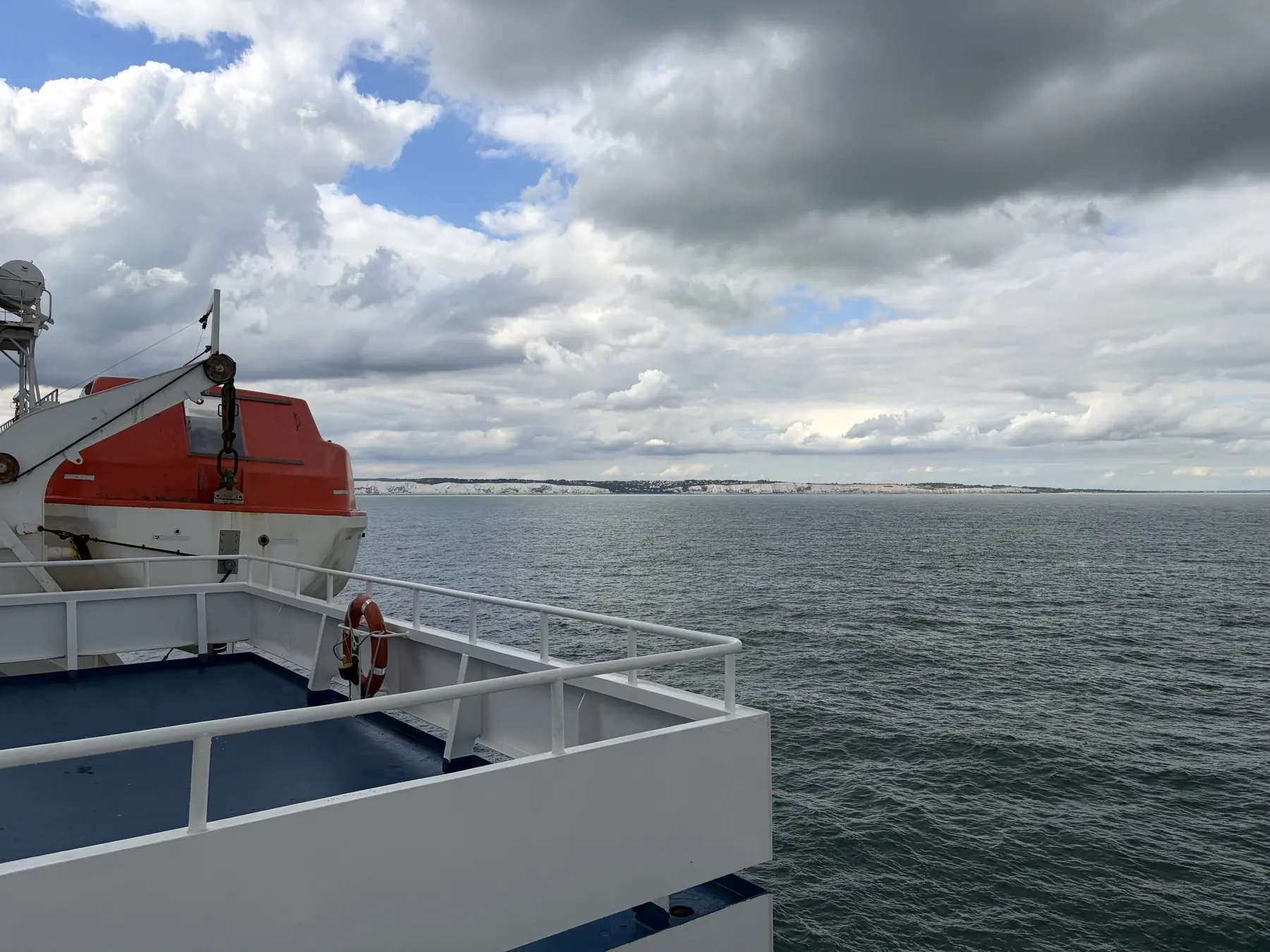
- Last half hour: the French coastFrom about 30 minutes before arrival you see the port cranes of Dunkirk from the open deck. About 15 to 20 minutes before arrival the announcement calls you to the car deck; the stairs are quicker than the lifts.
- ArrivalWait in the car until the ramp opens, drive off on the right, and follow the signs to the A16. No further control: that was done in Dover. See Dunkirk port.
Seasick?
The Strait of Dover is usually calm and the crossing lasts only two hours. In a westerly of force 6 or more you do feel the ship move. Sit midships and low, look at the horizon and eat lightly. The weather page shows wind and wave height by the hour.
Questions about being on board
Can I go to my car during the crossing?
No. The car deck is closed at sea. Take everything you need upstairs, including coats and medication.
Is there a cabin?
No, there are no cabins on a two-hour crossing. There are lounge seats, and for a supplement the Premium Lounge.
Can I pay in euros?
Yes, cash and card. Prices are in pounds; DFDS converts at its own rate. With a UK bank card, pay in pounds.
Is smoking allowed?
Only in the marked part of the open deck. Inside and on the car deck smoking is banned.